One of the most debated topics in espresso preparation is simple in concept but consequential in practice: how you tamp the coffee grounds matters. The difference between a clean, even extraction and a chaotic, channeled shot often comes down to less than a second of pressure applied by hand — or by machine.
Automatic tampers like the CINOART PT2 and PUQPress have been gaining traction in commercial coffee environments, while traditional baristas still swear by manual technique. So which approach actually wins? We broke it down across the four factors that matter most.
1. Consistency in Tamping Pressure
This is where automatic tampers pull decisively ahead.
Automatic Tampers: They deliver uniform pressure every single time — typically adjustable between 20 to 60 lbs (10–27 kg). Whether it’s the first shot of the morning or the hundredth during a rush, the force applied is identical. This eliminates the variability that comes from different baristas, different moods, or simply fatigue.
Manual Tampers: Even experienced baristas produce subtle pressure variations between shots. One study noted that even skilled professionals may not replicate the same tamping force shot-to-shot, particularly during long shifts. In high-volume cafés, this drift compounds across hundreds of drinks.
Key insight: In a commercial setting where three different baristas pull shots on the same machine, manual tamping can produce noticeably different extraction profiles between baristas. An automatic tamper erases that variance entirely.
2. Evenness of the Coffee Bed
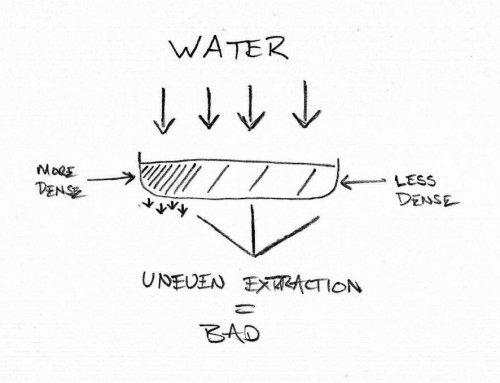
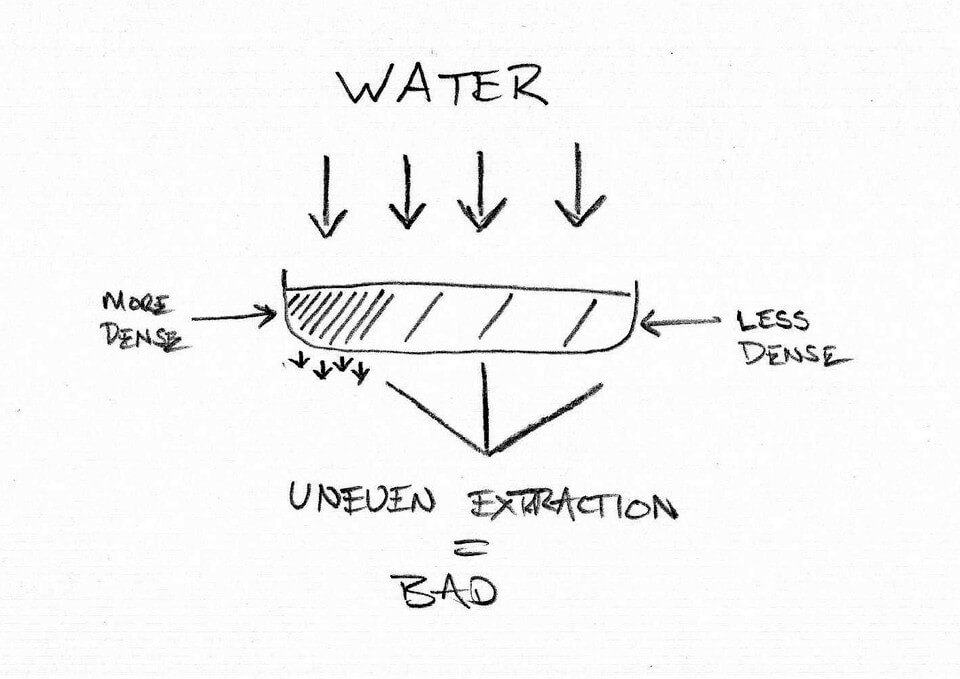
A flat, level coffee puck ensures water flows through evenly. Uneven tamping is one of the primary causes of channeling — where water finds the path of least resistance and over-extracts some sections while under-extracting others.
Automatic Tampers: Designed with a self-leveling mechanism, they produce a perfectly flat coffee bed every time. This directly reduces channeling risk and leads to more predictable, repeatable extraction.
Manual Tampers: Achieving a truly even tamp depends heavily on wrist angle, pressure distribution, and technique. Even small tilts create density differences across the puck that become obvious in the cup.
3. Speed and Efficiency
In a busy café, time is a competitive advantage.
- Automatic Tampers: Complete the tamping action in under 2 seconds. Baristas can move directly to the next step without pause.
- Manual Tampers: Typically takes 15–20 seconds per shot including leveling and tamping. Across a 300-drink day, that difference adds up to over an hour of cumulative bar time.
For chain cafés where speed directly impacts throughput and customer wait times, this isn’t a minor benefit — it’s a operational variable.
4. Barista Health and ergonomics
This factor is often overlooked until a barista develops a chronic injury.
Automatic Tampers: Reduce physical strain on wrists and hands. No gripping, no repetitive motion, no risk of technique-induced injury. This is especially relevant for cafés with rotating staff or high turnover.
Manual Tampers: Prolonged repetitive tamping — especially with incorrect technique — is associated with carpal tunnel syndrome, wrist tendonitis, and chronic soreness. In high-volume environments, baristas may perform 200+ tamping actions per shift.
What Coffee Enthusiasts Get Wrong
Some coffee purists argue that tamping technique matters less than bean quality, grind consistency, and machine calibration — and they’re not entirely wrong. Tamping is one variable in a chain of variables. However, this framing ignores the compounding cost of inconsistency:
- If your grinder produces slight daily variations, an inconsistent tamp amplifies those differences
- Inconsistent extraction from uneven tamping masks the signal from your beans and machine
- In a commercial environment, you can’t taste every shot — you need processes that are reliable by default
In short: better beans help, but they don’t fix a flawed process.
Conclusion: Which Is Right for Your Café?
For home baristas, a quality manual tamper combined with proper technique can produce excellent espresso. The learning curve is manageable, and the ritual of manual tamping is part of the craft experience.
For commercial cafés, chain operations, and high-volume environments, automatic tampers provide measurable advantages in consistency, speed, throughput, and staff ergonomics. The ROI is tangible: fewer bad shots, less waste, faster service, and lower long-term risk of repetitive strain injuries.
Whatever your context, the goal is the same — a clean, even extraction that lets great coffee beans express their full potential.
Ready to upgrade your bar setup? CINOART offers a full lineup of automatic tampers including the PT2 for standalone use, the PTB-FI for Fiorenzato grinders, and the PTB-MY for Mythos grinders.