Published:
Last updated:
Direct answer: An electric portafilter cleaner is a motor-driven brush that clears spent coffee from the basket between shots; when you buy one, first confirm basket fit, how it installs on the bar, cycle time, and that it does not replace your daily and weekly wash.
This guide is for US cafe owners, chain buyers, and equipment distributors who are choosing a machine, not learning a cleaning SOP. Start with the checklist below, then look at the current CINOART model, the CINOART PC, on the portafilter cleaner product hub. If you need the between-shots, end-of-shift, and weekly routine, use the portafilter cleaning how-to instead.
Where this guide quotes CINOART figures, those are official, confirmed specifications. The buying checks are practical purchasing advice you can take to any quote. This page is not a ranked list of brands.
What an electric portafilter cleaner is — and is not
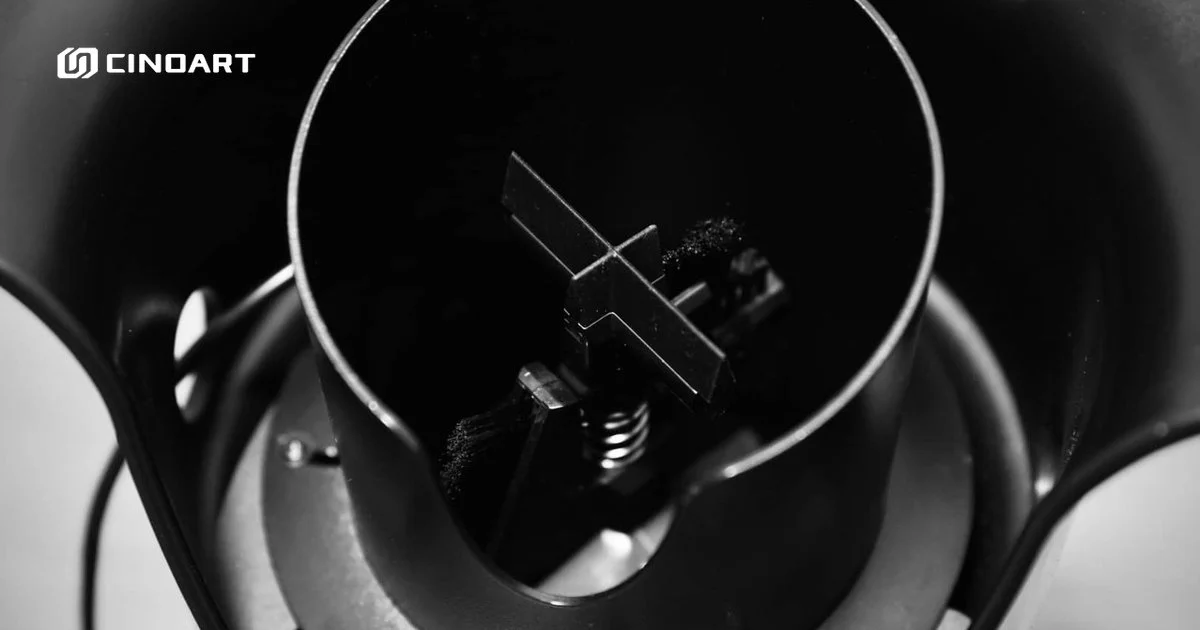
An electric portafilter cleaner is a motor-driven brush that removes spent grounds and residue from the portafilter basket after a shot. In product listings it is also called an automatic portafilter cleaner; both names describe the same kind of machine, and this page is a buying guide for the electric version.
It is not a dishwasher, and it is not a substitute for washing the portafilter at the end of the shift or soaking the metal parts on a weekly schedule. It is built to clear the basket between drinks so the next shot starts with a cleaner basket, not to take over the rest of your daily bar cleaning routine. For that daily and weekly work, follow the portafilter cleaning how-to linked above.
Cafes shop for these machines when knocking out grounds by hand is slow, messy, or inconsistent across a shift. The value is a short, repeatable reset at the bar — if the basket size, install, and cycle time fit the way you already work.
What to check before you buy an electric portafilter cleaner
Before you buy an electric portafilter cleaner, confirm the basket diameter and whether you run single and double baskets, where the unit will sit, how long a cycle takes, and how you will handle food-safe materials, voltage, and delivery. Use the checks below as a quote list, not as a scorecard of unnamed brands.
Basket diameter and single vs double baskets
Match the machine to the baskets you actually use, not to a generic “58 mm” label. Portafilter baskets vary in diameter and in whether they are single or double; a unit that only fits one of those may leave a basket uncleaned or a brush that does not reach the base.

Per CINOART, the CINOART PC fits single and double baskets from 53 to 58.5 mm. If your bar uses a size outside that range, or a less common basket shape, ask us when you request a quote rather than assuming a fit. Do not treat “fits every basket on the market” as a specification unless the seller states a clear range.
Installation: knock tube, worktable, or a standalone station
Decide where the cleaner will live before you order: inside a knock tube, set into the worktable, or as a standalone station on the counter. Each option changes the cutout, the waste path, and how the barista moves between the group and the next shot.

Per the CINOART PC product page, the PC can be installed inside the knock tube or embedded in the worktable, according to your preference. If you are comparing other machines, ask the seller for the cutout size, mounting style, and how spent grounds are collected.
Cleaning time and what “automatic” actually does on the bar
A useful cycle is short enough to sit between shots without holding the ticket. “Automatic” in this category usually means a motor-driven brush, not that the machine replaces the barista; some units start when the portafilter is pressed against the brush, and others use a different start method. Confirm how the model you are buying starts, and do not assume a sensor type that the seller has not specified.
Per CINOART, the CINOART PC cleans in about 5 seconds. The product hub describes the barista pressing the portafilter against the brush area so a motor-driven silicone brush can clean the basket. That is the published CINOART workflow; other brands may start or time the cycle differently, so compare those details on their own pages rather than assuming the same action.
Food-safe materials, brush-head care, and certification
Ask whether the parts that touch the basket are food-safe, how the brush head is cleaned or replaced, and which certifications the seller will put in the quotation. A food-safe claim is not the same as a weekly detergent soak; the machine still has to be kept clean, and the portafilter still has to be washed.
Per CINOART, the CINOART PC uses food-safe materials, the brush heads are dishwasher-safe, and the unit is CE certified. The portafilter itself should still be washed by hand. If you need a local mark or a plug type confirmed for your market, ask us when you request a quote.
Voltage, quote, and delivery questions to put in writing
For a US cafe, confirm that the machine’s rated voltage covers standard 120V power and that the plug matches your outlet. Put quantity, destination, and the install style in the quote so lead time and packing are tied to the setup you actually need.
Ask us to state the voltage rating and plug for your market in the quotation. Delivery is usually 10–15 working days after payment. We reply to quote requests within 24 hours. CINOART’s Shenzhen office is open Monday through Saturday, 9:00–18:00, and closed on Sunday.
How the CINOART PC fits those checks
The current CINOART model is the CINOART PC. Per CINOART, it cleans in about 5 seconds, fits single and double baskets from 53 to 58.5 mm, uses food-safe materials, has dishwasher-safe brush heads, and is CE certified.

Per the PC product page, the unit can sit inside the knock tube or be embedded in the worktable. If you want product details or a quotation, use the product page or request a quote.
This section is a fit against the buying checks above, not a scored comparison with other brands. For the wider product overview and videos, return to the portafilter cleaner product hub already linked above.
Electric portafilter cleaner vs daily and weekly cleaning
An electric portafilter cleaner does not replace daily or weekly portafilter cleaning. Use it as a between-shots reset; still wash the portafilter at the end of the shift, and still soak the metal parts on a weekly schedule.
The brush clears spent grounds quickly so the next basket is ready. It does not stand in for detergent, a rinse of the handle and spouts, or a soak that lifts oils from the metal. Keep the machine’s own brush head clean — CINOART’s brush heads are dishwasher-safe — and wash the portafilter by hand. The step-by-step routine belongs on the portafilter cleaning page linked earlier, not in this buying guide.
If you are comparing specific brands
This page is a buying checklist, not a ranked review of named competitors. If you already have two or three brands in mind and want a side-by-side, use CINOART’s existing QuinSpin portafilter cleaner comparison rather than treating the checks above as a scorecard of other machines.
When you compare pages from other sellers, confirm basket range, install style, and certifications on those pages. This guide does not repeat other brands’ cycle times or stock claims. Come back here when you are ready to request a CINOART quote, or open the CINOART PC product page already linked above.
How to request a quote
To request a quote, tell us the basket diameter you run, whether you use single and double baskets, where you want the unit installed, the quantity, the destination, and the plug you need. Those details affect fit and delivery more than a generic “standard 58 mm” note.
You can open the CINOART PC product page or request a quote directly. We reply within 24 hours. Delivery is usually 10–15 working days after payment. If you need office hours, CINOART’s Shenzhen office is open Monday through Saturday, 9:00–18:00, and closed on Sunday.
If you still want the product overview, return to the portafilter cleaner product hub after you have used the checklist.