Published:
Last updated:
Audience: US cafe owners, managers, and baristas
Direct answer: Cafe portafilter cleaning is a three-part routine: a fast reset between shots, a thorough wash at the end of the shift, and a weekly detergent soak of the metal parts.
On a busy espresso bar, every shot leaves coffee oils and fine particles in the basket holes, on the sealing rim, and inside the spouts. This how-to is for US cafe owners, managers, and baristas who need a commercial-bar routine, not a home-machine wash or a buying guide. Do the reset between shots, wash at close, soak weekly, and treat an automatic brush machine as a between-shots aid only.
The portafilter is the handled filter holder that locks into the espresso machine group. CINOART product figures below are official specifications; the cleaning steps are usage recommendations; cited detergent instructions are third-party published guidance. This article has no CINOART lab tests and is not a substitute for your machine manual or detergent label.
Why portafilter cleaning matters on a commercial bar
Oils, fines, and grounds left on a commercial portafilter can affect flow, flavor, and the group seal, and the load is heavier than on a home machine used for a few drinks.
A cafe portafilter stays in contact with packed coffee and hot water throughout service. Oils film the basket and the underside of the portafilter; fines lodge in the holes and spout channels; grounds sit on the rim where the group gasket should seal. Those effects are usage observations from standard bar practice, not CINOART test results.
Coffee oils and organic residue respond to an alkaline espresso-machine detergent. Mineral scale is a different problem in the machine’s water path. A descaler is not the right chemistry for a portafilter, and a portafilter soak is not a descale.
How often to clean a portafilter in a cafe
How often to clean a portafilter depends on the task, not on a single calendar rule. The frequencies below are usage recommendations for a bar SOP; tighten them if baskets look dirty sooner or if flavor and flow drift.
Between shots
During service, clean the portafilter between shots: knock out the puck, rinse the basket with hot water, and wipe the rim and the underside before the next dose. This is a reset, not a deep clean.
End of a shift
At close, take the basket out and wash the portafilter and basket as separate parts. Brush the basket, clear the spouts, wash the rim and ears, rinse thoroughly, and let everything dry. Do any group-head backflush or screen clean your machine manufacturer specifies at the same time; that work is related, but it is not the same job.
The weekly deep clean
Once a week, or more often on a very high-volume bar, soak the metal parts in a fresh espresso-detergent solution, brush the basket holes, inspect them against a light, and rinse until no cleaner remains. Follow the detergent label for dose and contact time, and keep handles out of the solution. If baskets still look stained, add a soak during the week. There is no single shot-count that fits every cafe.
How to clean a portafilter between shots
Between shots, knock out the puck, rinse the basket with hot water, and wipe the rim and underside before the next dose. Keep the routine short enough to do in a rush.
- Knock the puck out as soon as the shot is finished. Do not leave a used puck sitting in the basket.
- Flush the group and rinse the basket with hot water so loose grounds and surface oils wash away.
- Wipe the inside of the basket, the rim, and the underside of the portafilter, including the spout tips on a spouted handle.
- Check the rim and the ears before you lock in the next shot. Visible grounds at the gasket contact surface can cause leaks.
- If a basket still looks smeared or the holes look dark, set that portafilter aside for a longer wash and move to a clean spare. Do not start a detergent soak in the middle of a rush.
Keep several portafilters in rotation so one can be rinsed while another is in the group.
How to clean an espresso portafilter at the end of the day
At close, remove the basket, wash and brush the parts, rinse thoroughly, and let them dry. Do this wash even if the bar also uses a brush machine between drinks.
- Remove the basket from the portafilter. If your SOP includes removing the basket spring, do that only when the design and your training allow it, and keep small parts in a tray.
- Rinse the basket and the portafilter body under hot water to remove loose residue.
- Brush the basket from both sides, especially the holes around the edge, which clog first.
- Clean the spouts and the cavity behind them. Oil and fines collect where you cannot see them from above. Use a spout brush or another tool meant for those channels, not a pin or needle.
- Wash the rim, the ears, and the face that locks into the group. Rinse until the surfaces feel clean, not slippery with cleaner or oil.
- Let the basket and portafilter air-dry. Do not stack wet baskets, and do not put a wet basket into service the next morning.
If your espresso machine manufacturer specifies a daily backflush, shower-screen clean, or gasket inspection, do that work at the same close-out. Backflushing cleans the group, not the portafilter body.
Weekly espresso portafilter cleaning: soak and brush
Once a week, soak only the metal parts in espresso detergent, brush the basket holes, inspect them against a light, and rinse until no cleaner remains. Use a cleaner made for espresso equipment, and treat the manufacturer’s label as the authority for dose and time.
The following dose and time are third-party published guidance, not a CINOART test. Official Urnex Cafiza powder instructions say to make a soaking solution with 6 g of powder per liter of hot water, place the dirty part in the solution, keep a portafilter handle out of the liquid, soak for 30 minutes, then rinse with fresh water. Other brands differ; follow that label, and follow your espresso machine manufacturer’s guidance where it differs.
A careful weekly soak looks like this:
- Mix a fresh detergent solution in a container large enough for the metal heads of your portafilters and the loose baskets.
- Put only metal parts into the solution. Keep wood, plastic, resin, rubber, and painted handles above the liquid line.
- Leave the parts in the solution for the time on the label. Do not extend a soak “just to be safe” unless the manufacturer says you can; some cleaners are not meant for overnight contact.
- Remove each part and brush the basket holes from both sides. A soak loosens oils; it does not replace mechanical brushing.
- Hold each basket up to a light. Dark holes are still blocked and need more brushing, a fresh soak, or a replacement basket.
- Rinse thoroughly with clean water until there is no detergent smell or slipperiness. Leftover cleaner can affect the next espresso.
- Dry the parts completely before the next service.
Pair this weekly soak with any group-head backflush or shower-screen clean your machine manual specifies.
How to clean the basket, spouts, and rim
Treat the basket, spouts, and rim as three surfaces: brush and light-test the basket, clear the spout channels, and keep the sealing rim clean.

Basket. This is the brew path. Brush both faces, not just the side you dose into. After the weekly soak, hold the basket up to a light; you should see a consistent pattern of clear holes. If a hole stays dark after soaking and brushing, replace the basket rather than forcing it open with a sharp tool.
Spouts. On a spouted portafilter, coffee leaves through channels that stay wet and oily. Wipe the tips between shots, and brush the channels at close. If the spouts are removable and the manufacturer allows you to take them off, the hidden cavity is easier to clean. Rinse and dry them before you put them back.
Rim and ears. The rim is where the group gasket seals. Grounds or oil on that surface can cause leaking that looks like a gasket problem. Wipe it between shots, wash it at close, and keep the ears clean so the portafilter locks in smoothly.
A worn group gasket, a dirty shower screen, or an unwiped rim can all show up as the same leak. Clean the portafilter first, then inspect the screen and gasket on your machine’s schedule.
What to use — and what to skip
Use an espresso-machine detergent for the soak. Skip vinegar, descaler, dishwashers, and pins on the portafilter. The points below are usage recommendations, not a CINOART lab test.
Espresso detergent vs dish soap vs vinegar
For portafilter cleaning, start with a detergent formulated for espresso machines. These cleaners are alkaline, which is the chemistry used to break down coffee oils, and they are designed to be rinsed off equipment that will brew a drink.
Household dish soap is made for plates and food fat, not for a brew basket, and it can leave residue in the next shot. If it is the only option in an emergency, rinse with extra care, then return to an espresso detergent.
Vinegar is the wrong tool for this job. It is an acid used for mineral scale, not for coffee oil. Published specialty-coffee cleaning guidance treats vinegar as a substitute to skip on portafilters and baskets. Use a descaler only where your machine manufacturer tells you to descale.
Why descaler, dishwashers, and pins are the wrong tools
Descaler belongs in the machine’s water path when the manufacturer calls for a descale. It does not remove the oily film on a portafilter. Keep descaling and portafilter soaking as separate tasks, with separate chemicals.
Dishwashers subject handles, finishes, springs, and plastic or wood parts to heat and a strong detergent. Specialty-coffee guides routinely advise against putting a portafilter through a dishwasher. Wash by hand, and keep the handle out of any soak. This advice is about the portafilter, not about a machine’s removable brush heads.
Pins, needles, and other sharp probes can widen or deform basket holes and change flow. If a hole stays blocked after a proper soak and brushing, replace the basket.
Also skip overnight soaks unless the detergent label allows them, and never leave a wooden or coated handle sitting in cleaner or in a sink of dirty water.
Signs the portafilter or basket needs a deeper clean
If flow, flavor, or visible residue is off, do a deeper clean now. These signs are usage recommendations, not CINOART test thresholds:
- Shots that run unusually fast, slow, or uneven from one spout to the other, after you have already checked dose, distribution, and tamp.
- A dull or dirty flavor that persists even with fresh coffee and a correctly set recipe.
- A visible film in the basket, dark residue under the spouts, or a stale smell on the dry portafilter.
- Basket holes that look dark or irregular when held up to a light.
- A puck that is hard to knock out, or wet grounds that cling to the basket wall after the shot.
- Water leaking around the group after you lock in, especially if the rim is stained or gritty. Clean the rim first, then inspect the group gasket.
If a basket does not clear after a fresh detergent soak and a thorough brushing, retire it.
When a cafe uses an automatic portafilter cleaner
An automatic portafilter cleaner can help with the between-shots reset. It does not replace the end-of-shift wash, the weekly soak, a group-head backflush, shower-screen cleaning, or steam-wand cleaning. That is a usage role, not a timed CINOART test result.

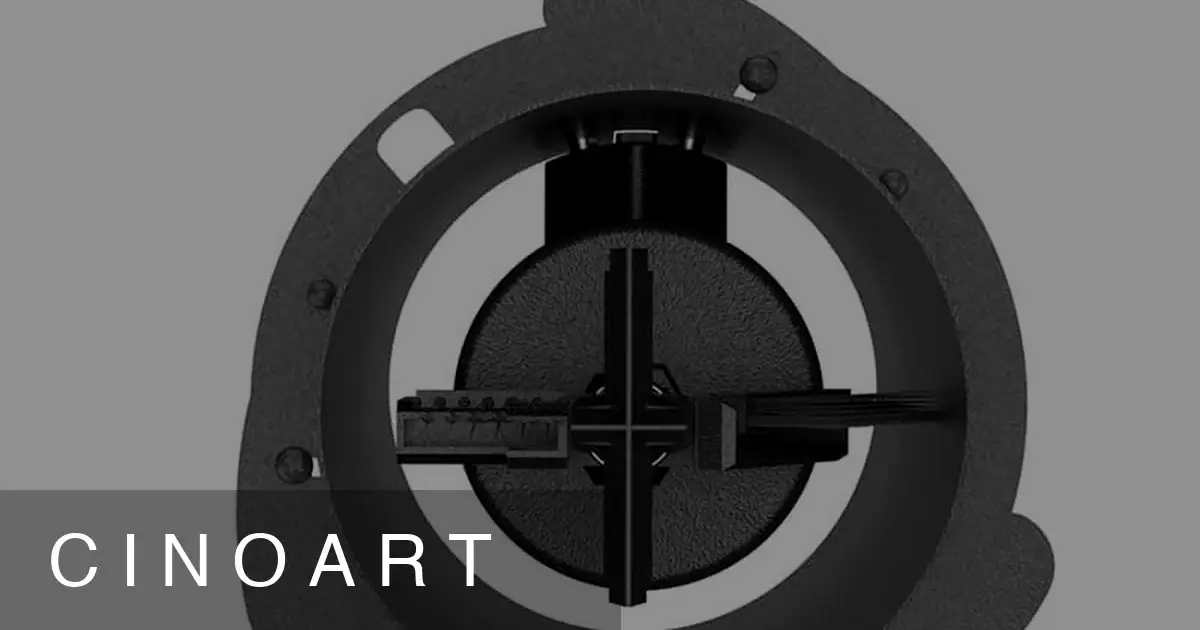
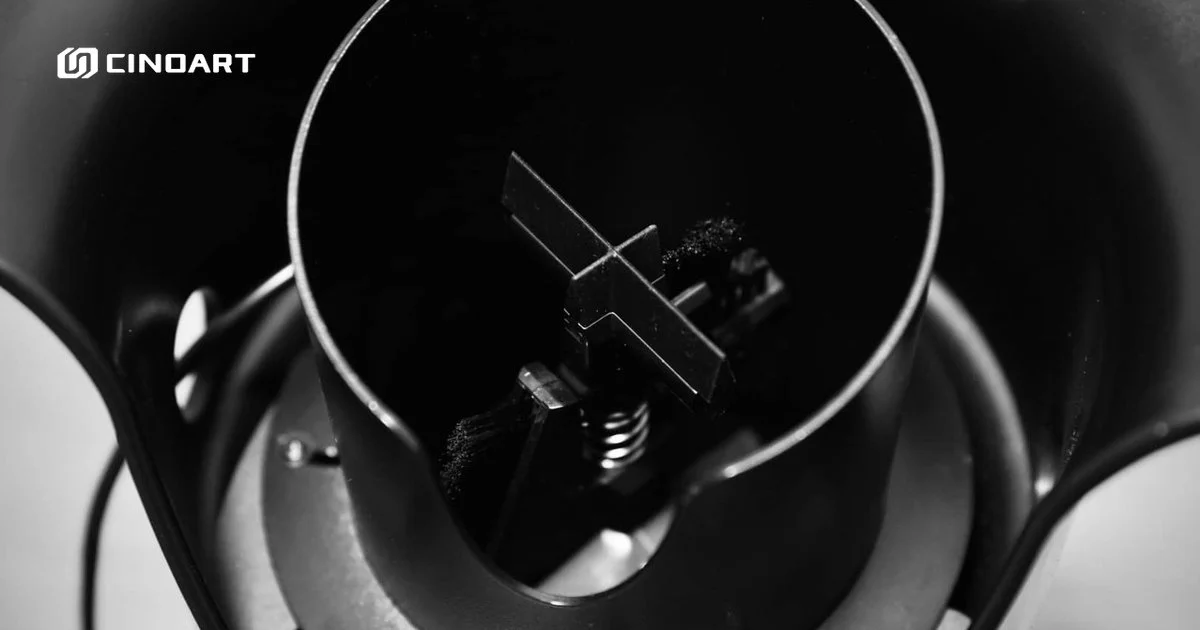
CINOART’s current in-sale model is the CINOART PC. Official CINOART specifications, confirmed by the owner, are: a cleaning cycle of about 5 seconds; it fits single and double baskets 53–58.5 mm in diameter on the market; the unit is food-safe; its brush heads are dishwasher-safe (the portafilter itself should still be washed by hand); and it has CE certification. For the equipment overview, see CINOART’s automatic portafilter cleaner page. This article does not repeat operating methods or compare models. If you are choosing a machine, compare automatic portafilter cleaners on the existing comparison page.

Request a quote
If you want product details, basket-fit confirmation, or pricing for the CINOART PC, request a quote. We reply within 24 hours. The Shenzhen office is open Monday to Saturday, 9:00–18:00, and closed on Sunday.
Q&A
How often should a cafe clean a portafilter?
Clean the portafilter between shots during service, wash it thoroughly at the end of each shift, and soak the metal parts in espresso detergent weekly. Soak more often if baskets still look stained or holes do not run clear.
Follow your detergent label and espresso machine manufacturer for dose, contact time, and group-head procedures.
What is the best way to clean a portafilter?
The best way is a layered routine, not a single product or trick: rinse and wipe between shots, wash and brush at close, and soak weekly in an espresso-machine detergent. Do not use vinegar, descaler, a dishwasher, or a pin on the portafilter.
Keep handles out of the soaking solution, brush the basket holes, check them against a light, and rinse until no cleaner remains.
How do you clean a portafilter between shots?
Knock out the used puck right away, rinse the basket with hot water from the group, and wipe the basket, rim, and underside — including the spout tips — before the next dose. This is a fast reset, not a detergent soak.
Check that the sealing rim is free of grounds, and keep a spare portafilter in rotation during busy periods.
Does an automatic portafilter cleaner replace deep cleaning?
No. An automatic portafilter cleaner is only for quick residue removal between shots. It does not replace detergent soaking, backflushing, group-head and shower-screen cleaning, steam-wand cleaning, or scheduled inspection of the espresso equipment.
Can you use vinegar, dish soap, or a dishwasher to clean a portafilter?
No. Use an espresso-machine detergent for the soak, not vinegar, a descaler, or dish soap as the house standard, and do not put the portafilter in a dishwasher. Vinegar and descalers are acids for mineral scale, not coffee oil.
Wash the portafilter by hand and keep the handle out of any soaking solution. That does not change the official CINOART specification that PC brush heads are dishwasher-safe.