Quick answer: A commercial coffee bar needs a menu-matched brewing setup, grinder, water treatment, refrigeration where required, serving tools, cleaning supplies, payment equipment, and suitable power, water and drainage. Espresso, ice and food service add different requirements. Check local health rules, electrical loads and installation requirements before ordering.
CINOART makes automatic tampers, coffee printers and portafilter cleaners for commercial coffee businesses. Our listed project references include the Lavazza China flagship store; this guide starts with the whole bar, not just the equipment we make.
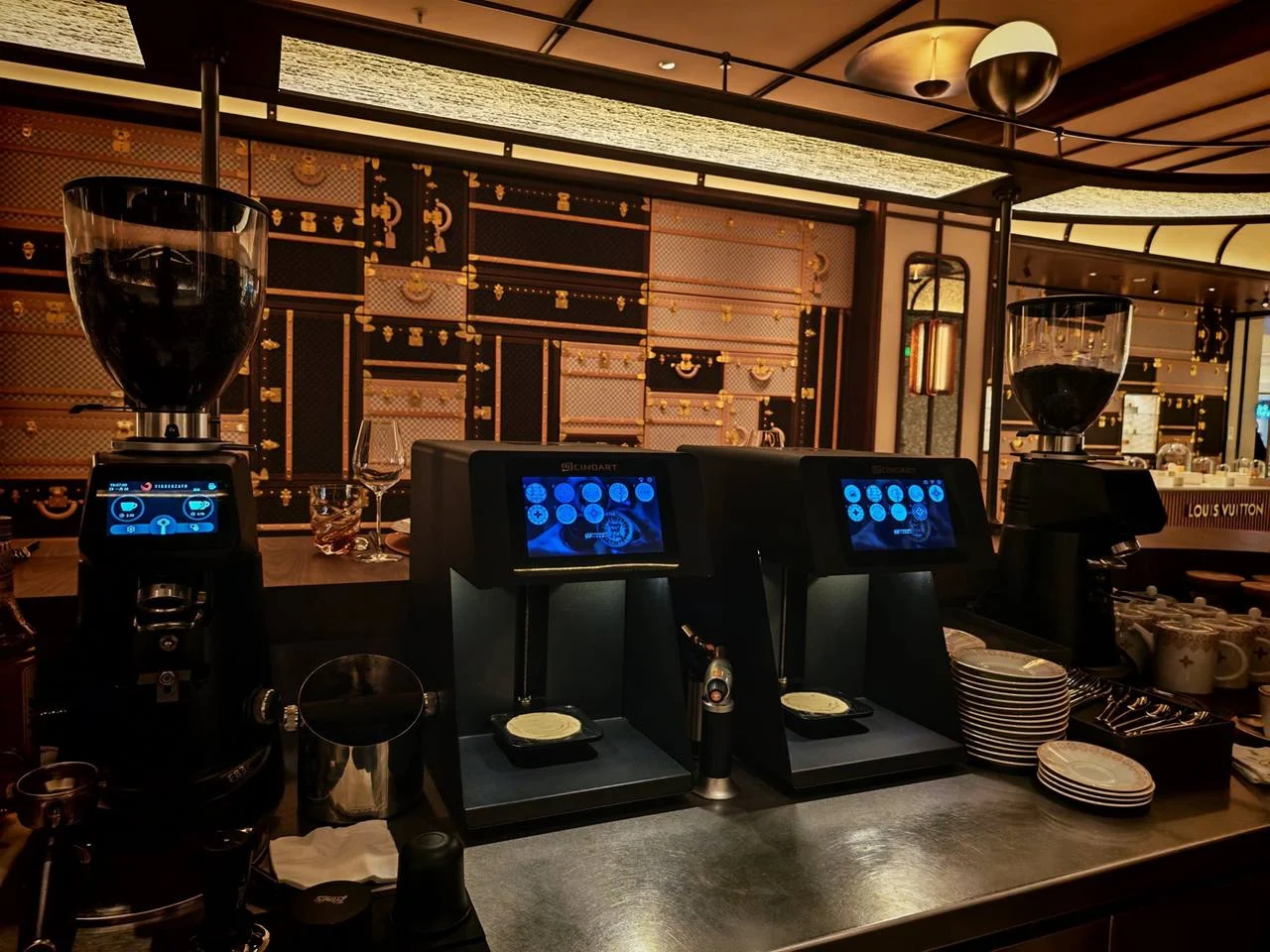
An espresso machine is only one part of a commercial bar. Plan refrigeration, sinks, drainage, electrical capacity, water treatment, storage, cleaning and payment equipment at the same time so the installation can be approved and operated safely.
Coffee bar equipment checklist: what do you need first?
Start with the drinks and food you intend to sell, then list the equipment needed to prepare, serve and clean up after each item. Mark each item as essential for opening, required by local rules, or an optional upgrade. A small espresso bar and a café serving iced drinks and food will not need identical setups. Square’s equipment guide makes the same menu-first distinction.
| Equipment | When to include it | Check before buying |
|---|---|---|
| Espresso machine and espresso grinder | Espresso-based drinks | Service demand, power, water, counter space and local support |
| Batch brewer and suitable grinder | Filter coffee | Brewing capacity, holding method and demand |
| Refrigeration | Milk or other ingredients needing cold storage | Capacity, temperature control and local health requirements |
| Ice maker and blender | Menu and supply arrangement call for them | Peak demand, water, drainage and storage |
| Water treatment | As required by water test and equipment | Water quality, manufacturer guidance and filter replacement |
| Tools, sinks and cleaning supplies | Matched to drinks, food and local rules | Sink layout, sanitation and daily cleaning instructions |
| Payment system and supplies | Taking and fulfilling orders | Fees, receipts, cups, lids and ongoing stock |
| Automatic tamper or basket cleaner | Optional espresso workflow upgrades | Portafilter fit, available space and staff workflow |
Treat this as a shopping framework, not a promise that every item belongs in your cafe. A blender only earns its shelf if the menu gives it a job. Otherwise, you’ve bought a very enthusiastic paperweight.
In this guide: espresso and grinding · filter and cold drinks · water and installation · sinks and cleaning · budget · workflow upgrades · China sourcing · FAQ.
Which espresso machine and grinder should a coffee shop buy?
Choose a commercial espresso machine and grinder based on your menu, expected busy periods, available space and local service options. Check the exact model’s dimensions, electrical needs and water connections. Ask who will install it and who can repair it before a breakdown turns your morning menu into a philosophical question.
Group count is only one part of the decision. Look at how staff will share the machine, where the steam wands sit and whether the grinder fits beside the preparation area. Perfect Daily Grind’s workflow guide discusses how machine layout affects barista movement.
Ask for a grinder suitable for espresso and check whether your menu needs separate coffee options. A second grinder can be useful for decaf or another blend, but it isn’t compulsory. Neither is giving the decaf grinder its own employee badge.
Which brewing and cold-drink equipment do you need?
A filter-coffee menu may need a batch brewer, a suitable grinder and a way to hold and serve the finished coffee. Cold drinks may call for ice storage, an ice maker or a blender. Select capacity around your own menu and busiest service period, not the largest number on a product sticker.
BUNN’s IC3 DBC, for example, lists specific batch sizes for one iced-coffee brewer. That’s a manufacturer specification for that model, not a prediction of what your cafe will sell. Ask suppliers for a demonstration and a cleaning schedule before comparing models.
If milk is on the menu, plan refrigerated storage and check temperature control with your local health authority. The FDA Food Code is a model for regulators; local authorities decide which rules apply. A fridge full of milk is a poor place to improvise.
What water, power and drainage does a coffee bar need?
Check the espresso machine’s exact electrical, water and drainage requirements before finalizing the counter. Have qualified local professionals compare the equipment manual with the actual site. Ask the supplier who provides filtration, installation, testing and any required plumbing work.
A water report is a useful starting point, but it doesn’t replace testing for the machine’s needs. The Specialty Coffee Association explains that a TDS reading doesn’t identify the substances in the water. Ask what else should be tested and how often filters need replacing.
Draw the location of plugs, pipes, drains and the machine on the same plan. Discovering a missing drain after the countertop is fitted is an expensive way to learn geometry. Your countertop, meanwhile, has retained legal counsel.
Which cleaning and safety equipment belongs on the list?
Include the cleaning tools and products specified for each machine, plus the sinks, sanitation and storage required for your menu and location. Ask your local health department which requirements apply before you finalize the layout. The FDA Food Code is a starting reference, not a substitute for that conversation.
Keep a knock box, cloths, brushes, cleaning products and replacement supplies near the tasks they support. Check what can be washed in place and what needs to be dismantled. The cleaning brush shouldn’t need a map and a packed lunch to reach the espresso machine.
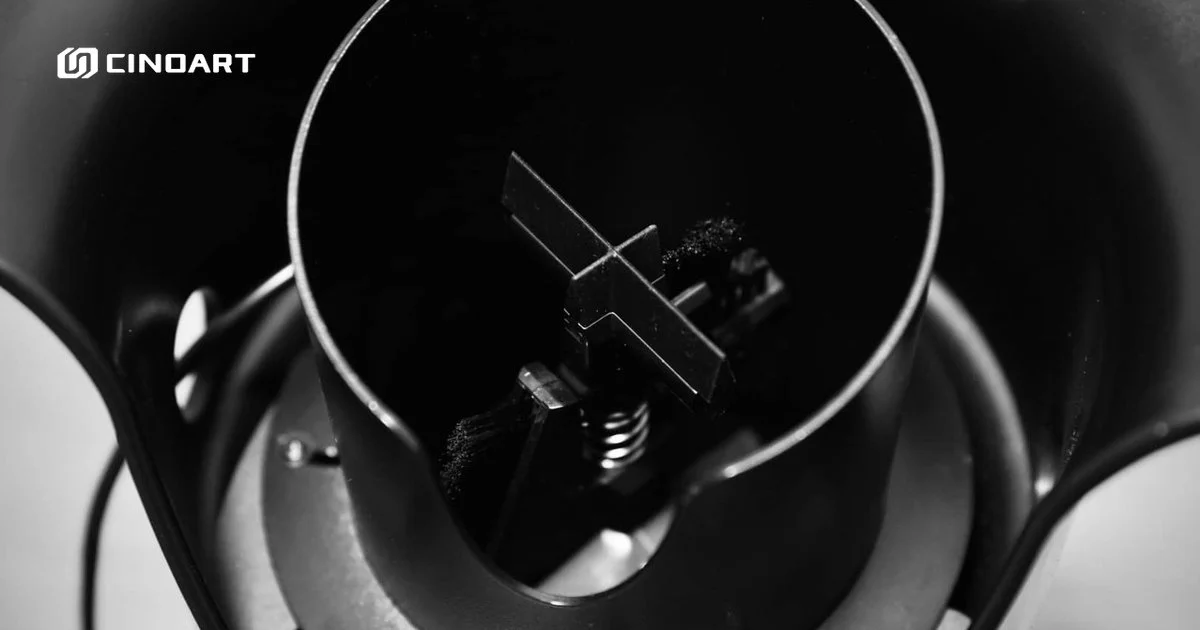
For espresso bars, an automatic portafilter cleaner can be an optional way to brush coffee residue from a basket during service. It doesn’t replace the deeper cleaning required by your equipment instructions.
How much does coffee shop equipment cost?
Coffee shop equipment cost depends on the menu, equipment models, installation work, location and whether you buy new or refurbished. Build a quote from individual items rather than relying on a single universal startup figure. Separate one-time spending from recurring costs, as the US Small Business Administration recommends.
Request written prices for the machine, grinder, filtration, freight, installation and any site changes. Add cups, cleaning products, filter replacements, maintenance and payment-processing fees to the operating side. A machine’s sticker price is the opening act. The plumbing quote has been waiting backstage with a microphone.
Build your budget in four lines: (1) brewing and grinding equipment; (2) cold storage, ice and food equipment your menu needs; (3) water, electrical, drainage, delivery and installation quotes; (4) recurring supplies, filter changes and service. Put an actual supplier quote beside each item before adding a total.
A useful order is opening essentials first, menu-dependent equipment second, and workflow upgrades after you’ve protected the installation and operating budget. If a supplier offers financing or refurbished equipment, compare warranty terms, spare parts and repair response too.
When should you add automatic bar tools?
Automatic tampers and portafilter cleaners are optional tools for espresso workflows, not requirements for opening a coffee bar. They may be worth considering when multiple staff share a station or when repeated actions slow the workflow. Check compatibility and try the process with your own team before committing.
CINOART’s PT2 applies a selected tamping profile after grinding and distribution. It doesn’t replace either step or guarantee the final espresso. The automatic tamper range explains the available setups.
Our CINOART PC brushes remaining grounds from compatible baskets after the puck is removed. Check basket dimensions and installation before ordering. Buying a cleaner that doesn’t fit your basket is a bold new way to keep the brush extremely clean.
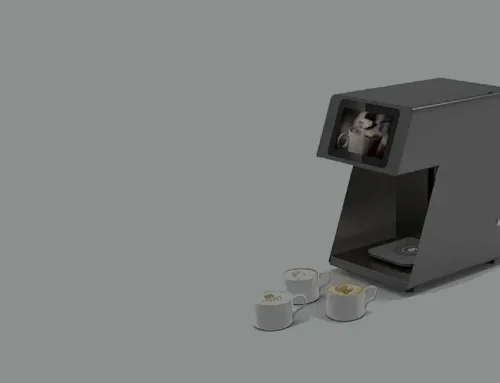
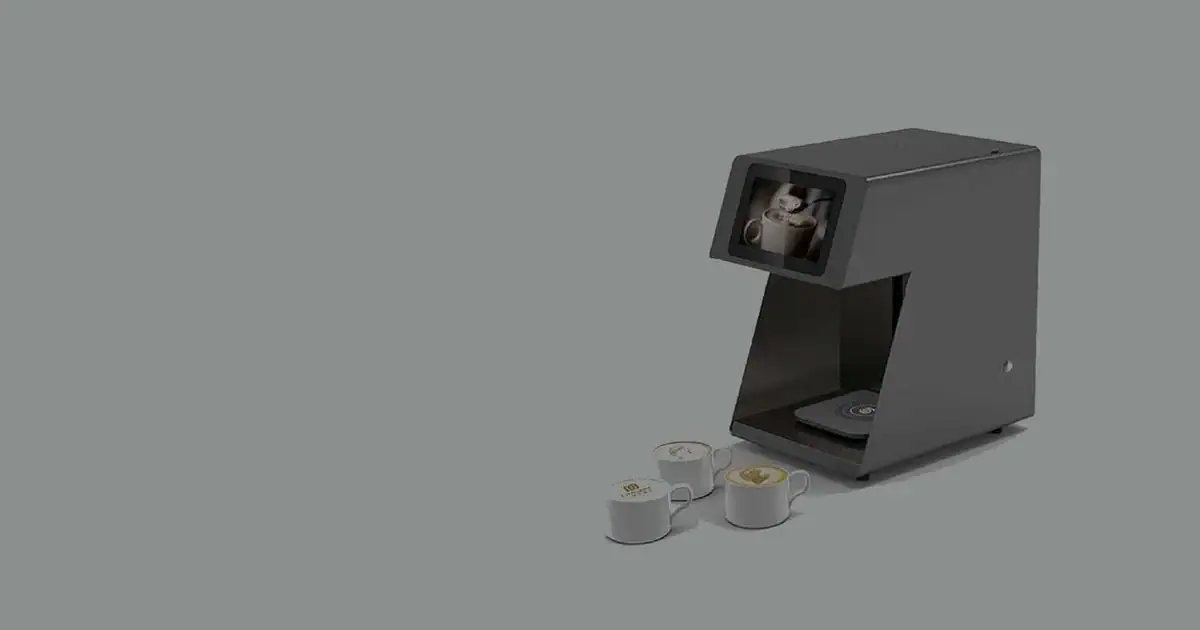
A coffee printer is another optional purchase for a cafe offering branded or personalized drinks. It prints onto a suitable flat foam surface; it doesn’t make the drink or create the foam. Allow space for the machine and ask about compatible surfaces and ink supplies before ordering.
Want to check a tamper or cleaner against your setup? Send us your basket size and target market so we can discuss compatibility and the right electrical version.
How do you buy coffee shop equipment from China?
When buying equipment from China, compare the complete quote, model-specific certifications, shipping terms, spare parts and local service arrangements. Confirm the exact electrical version and the paperwork accepted by the authorities where the equipment will be used. The cheapest machine on the first line isn’t necessarily the cheapest machine at your door.
Our China coffee machine supplier guide explains supplier checks in more detail. For food-equipment certification, use the NSF product database to check the exact model where relevant. Ask your local authority what it accepts; a brand name alone isn’t a certification.
Where does CINOART equipment fit in a coffee bar workflow?
CINOART makes equipment for three distinct moments: tamping prepared espresso, brushing grounds from a portafilter basket and printing designs on suitable drink surfaces. Each fits a different bar layout. None makes the espresso machine, refrigerator or washing station optional.
Our PT2 product instructions describe adjustable portafilter support and saved pressure settings. Our PC cleaner is designed around a brush and waste setup. Check those details alongside the grinder, knock box and counter dimensions rather than choosing a tool in isolation. The barista shouldn’t need a relay team just to move one portafilter.
Coffee bar equipment FAQ
What equipment does a small coffee shop need?
A small coffee shop needs equipment matched to its menu, including suitable coffee preparation equipment, cold storage where needed, cleaning facilities, serving supplies and payment tools. Espresso, food and iced drinks each add different requirements. Check local health and building rules before purchasing.
Do I need two grinders for a coffee shop?
Not necessarily. A separate grinder can make sense for decaf, another espresso blend or a different brew method. Choose based on the drinks you plan to sell and the workflow you want.
Is an automatic tamper essential for opening?
No. A compatible manual tamper can be part of an espresso setup. An automatic tamper is an optional addition for a cafe that wants a repeatable tamping setting or prefers that workflow.
Can I use a home espresso machine in a commercial cafe?
Check the manufacturer’s intended use, warranty, service support and the requirements of your local authorities. A machine sold for home use may not meet the needs or conditions of a commercial setting.
Should I buy new or refurbished cafe equipment?
Either can work. Compare the installed price, condition, warranty, parts availability, local repair support and whether the exact model meets the requirements at your location.
List the drinks you’ll sell, map the steps staff will take, and get installation quotes before you order. If an automatic tamper or portafilter cleaner fits that plan, explore CINOART’s commercial coffee equipment and ask about compatibility with your setup.